GPT-6 Astra Hardware Design: Impressive Speed, Hidden Flaws in OpenAI’s Device Test
GPT-6 Astra hardware design just got its first big public test, and the results are both impressive and a little humbling. On November 3, 2026, OpenAI shared how its models now help engineers design, simulate, and build physical products. The headline demo: a working device, from look and feel to circuit board to software, designed in under a week.
Everything below comes from OpenAI’s own post, Accelerating engineering for the physical world, so treat the numbers as the company’s claims, not independent results. For more stories like this, see our AI News & Updates section.
What OpenAI Actually Announced
OpenAI says its models are getting better at the messy parts of engineering. That means pulling together mechanical designs, electronics, software, and manufacturing rules, then coordinating changes across all of them. The GPT-6 Astra hardware design work covers mechanical engineering, electrical engineering, and end-to-end system design.
The pitch for GPT-6 Astra hardware design is simple: give engineers more time to explore ideas, and less time on repetitive setup. OpenAI also says its own internal teams are already moving faster because of it.
The Test: GPT-6 Astra Hardware Design in Action
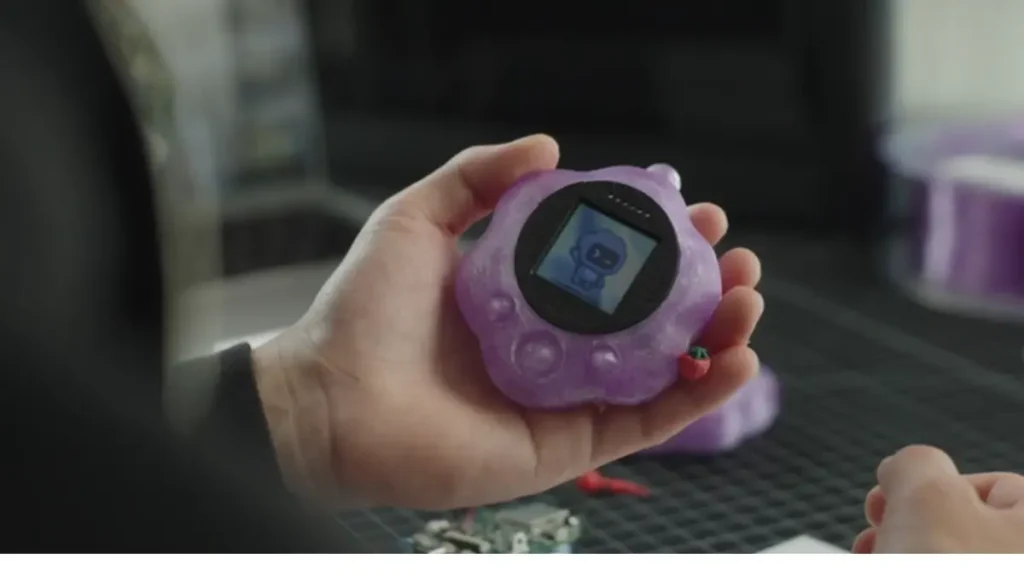
To see how far the model could go, OpenAI tried to build a device with no direct human edits. The device lets people talk to Codex, OpenAI’s coding tool. GPT-6 defined the requirements, then Astra handled four jobs:
- Look and feel: Astra developed the style, drawing on a recent Work Louder collaboration and references from games and toys.
- Mechanical design: it designed the enclosure and the internal structures that hold the parts in place.
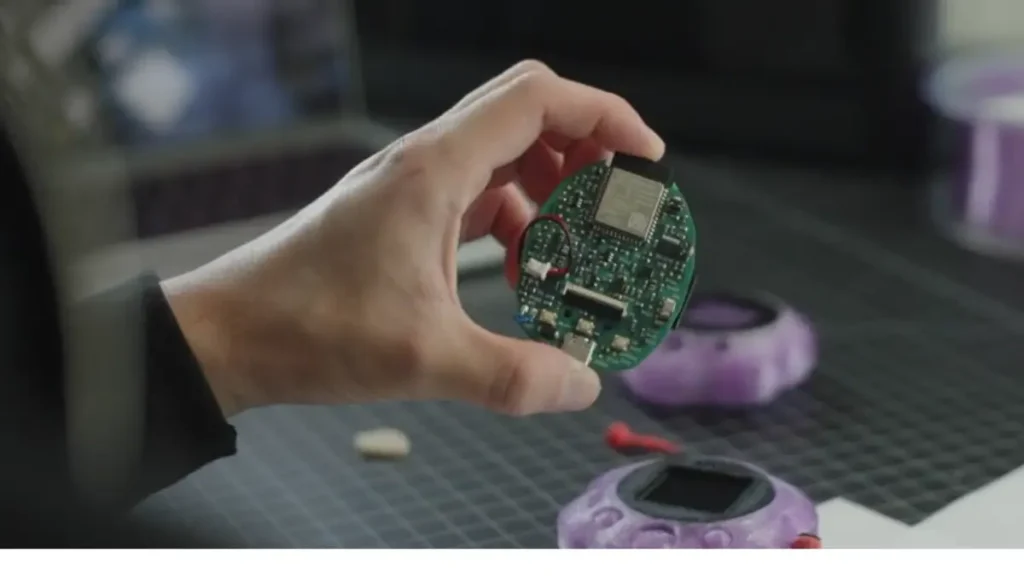
- Electrical design: it picked the components and laid out the printed circuit board (PCB) to fit inside the case.
- Software: it designed the interface and generated the firmware and integrations that connect the device to Codex.
Here’s the part that surprised me. Two team members did this as a side project in under a week. Then a contract manufacturer built a small batch of prototypes in under a month. That’s a fast loop for physical hardware.
Where GPT-6 Astra Hardware Design Still Falls Short
Now the reality check. OpenAI says getting the device ready for manufacturing still took several rounds of review and iteration. The model didn’t consistently account for the manufacturer’s production limits, tolerances, or assembly details.
That gap matters. A design that looks right on screen can still be hard, or impossible, to build at scale. OpenAI says these misses help show what future models need to do better. It’s an honest admission, and it’s a good reminder that “designed by AI” doesn’t mean “ready for the factory.”
Inside OpenAI: 23x More Model Use on Hardware Teams
OpenAI’s own hardware and infrastructure teams use Codex and ChatGPT to create and revise CAD models, prepare manufacturing drawings, set up simulations, and review designs. That work spans robotics and compute infrastructure. Since February, their model usage, measured in tokens, has grown 23-fold.
One OpenAI engineer says the tools help them move from an idea to an engineered part much faster, including turning 3D designs into production-ready 2D drawings and setting up simulations with far less manual work. Usage numbers aren’t the same as quality, of course, but a jump that big shows people are actually relying on it.
How OpenAI Measures GPT-6 Astra Hardware Design Progress
OpenAI also tracks progress with BenchCAD 2.0, a test of whether models can rebuild 3D parts and assemblies and spot connections on circuit boards. A newer internal model scored an average of 0.875. GPT-6 Astra, at its highest reasoning setting, scored 0.594.
Two things to keep in mind. First, that newer model is internal, so you can’t use it yet. Second, OpenAI itself says engineering involves far more than design. Still, it’s a clear sign that GPT-6 Astra hardware design is only the starting point.
Real-World Tests of GPT-6 Astra Hardware Design: Chip Ganassi Racing and Mazda
OpenAI is testing these skills with outside engineers, who check the outputs for accuracy and practical use.
Chip Ganassi Racing (CGR): OpenAI is expanding its work with the racing team’s R&D group. They’re testing workflows that turn 3D scans of existing parts into editable CAD models and 2D manufacturing drawings, which helps when the original files are missing. CGR engineers review the results for accuracy and manufacturability.
Mazda: this is a new research collaboration. OpenAI’s teams are working with Mazda’s aerodynamics and crash-safety engineers, using airflow and structural simulations. In one example, Astra helps explore new nose shapes to reduce drag, while keeping styling and cost in mind. OpenAI says more results will come in the coming months.
What GPT-6 Astra Hardware Design Means for You
You don’t have to build cars to care. Here’s the quick take:
- If you’re an engineer: expect AI to take over drawing prep, simulation setup, and routine revisions first. Your judgment on manufacturing still matters.
- If you’re a founder or maker: GPT-6 Astra hardware design suggests prototyping could get cheaper and faster, but you’ll still need real manufacturing checks.
- If you follow AI news: this is a shift from chatbots to tools that work on physical products.
OpenAI is also inviting engineers, engineering firms, and software vendors to collaborate. Want to explore other AI products? Browse our AI Tools collection, or catch up on our Google AI news October 2026 recap.
The Bottom Line
OpenAI’s demo shows that GPT-6 Astra hardware design can help carry a hardware idea from concept to prototype faster than most teams expect. But the honest takeaway is balanced: the speed is real, and so are the gaps. GPT-6 Astra hardware design still needs human engineers to check tolerances, production limits, and safety.
Keep one more thing in mind: nearly every figure here comes from OpenAI. The proof will come when independent engineers test these tools on their own projects.
Source: OpenAI, “Accelerating engineering for the physical world”, published November 3, 2026.