
Americans End Up Paying for Tariffs: 5 Shocking Moments as Whitehouse Grills Greer
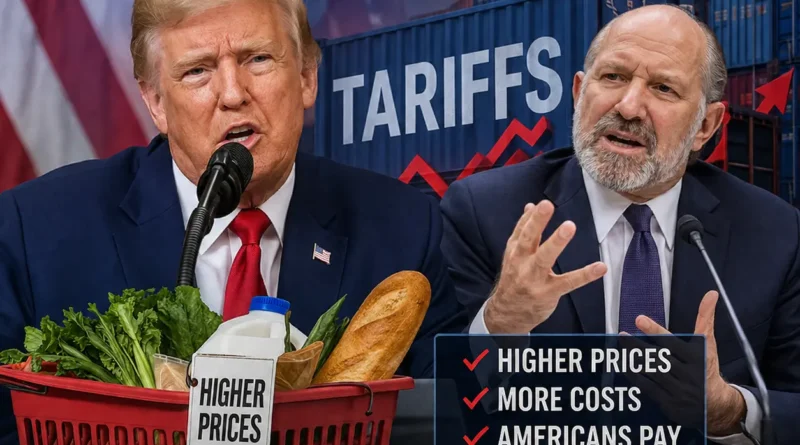
Americans end up paying for tariffs — that was the blunt argument Sen. Sheldon Whitehouse (D-R.I.) pressed U.S. Trade Representative Jamieson Greer on during a tense Senate Finance Committee hearing this week. The exchange, part of a broader session on President Trump’s trade agenda, turned into one of the sharpest moments of the hearing after Whitehouse pushed Greer to explain who really absorbs the cost of import duties: foreign exporters, or American households.
Table of Contents
What Happened at the Hearing
The hearing covered a wide range of trade issues, from tariff refund procedures to agriculture exports and USMCA enforcement. But it was the back-and-forth over consumer costs that stood out. Whitehouse zeroed in on the fact that Customs and Border Protection has been issuing refunds to importers when certain tariffs are struck down or invalidated — and argued that the existence of a refund program undercuts the administration’s claim that Americans end up paying for tariffs less than foreign companies do.
When Greer pushed back, saying he didn’t accept that tariff costs were passed through to consumers and suggesting foreign companies absorbed a large share of the expense, Whitehouse challenged the logic directly, noting that if American businesses truly weren’t the ones paying, a refund program for them wouldn’t make much sense in the first place.
Why Americans End Up Paying for Tariffs, According to Critics
Economists have long pointed out that tariffs are technically paid by the importer of record — usually a U.S. company — at the border. What happens next depends on the business. Some companies absorb the extra cost. Others negotiate lower prices with overseas suppliers. But many simply raise retail prices to offset what they’re paying in duties, which is the mechanism critics say explains why Americans end up paying for tariffs even when the tax is collected from businesses, not shoppers directly.
Products commonly cited as vulnerable to tariff-driven price increases include electronics, clothing, home appliances, furniture, construction materials, and automotive parts — categories where the U.S. relies heavily on imported goods or components.
Greer’s Defense of the Administration’s Trade Strategy
Greer maintained that tariffs remain a central part of the administration’s broader trade strategy, arguing they help protect domestic manufacturers, reduce reliance on foreign supply chains, and pressure trading partners to address unfair practices. He also pointed to recent export figures, noting that U.S. goods and services exports hit record monthly levels earlier this year, as evidence that trade policy is working rather than backfiring.
Other senators at the hearing raised additional concerns, including fertilizer costs, retaliatory tariffs on U.S. pork exports, and pressure on farmers navigating a shifting trade landscape — all part of the same underlying question of who ultimately bears the cost of an aggressive tariff strategy.
The Bigger Debate: Who Really Pays?
The core disagreement in Washington isn’t new, but it’s becoming more urgent as tariff policy continues to shift. Supporters argue tariffs protect American jobs, strengthen national security, and give U.S. negotiators leverage in trade talks. Critics counter that the costs eventually flow downstream — squeezing small businesses that can’t easily absorb higher import expenses and ultimately reaching consumers already dealing with a higher cost of living.
Both sides agree on one thing: the debate over whether Americans end up paying for tariffs isn’t going away anytime soon, especially with several temporary tariff measures set to expire and new trade actions still being finalized.
It’s part of a wider pattern of governments tightening their grip on trade and financial systems this year, similar to China’s crackdown on AAA corporate bond ratings, where regulators moved to rein in practices seen as distorting the true cost of doing business.
What Comes Next
With key tariff provisions expiring and a major Section 301 investigation into forced-labor trade practices expected to conclude soon, USTR Greer is likely to face similar questions in the months ahead. For now, the hearing leaves the central question unresolved — but it’s clear lawmakers on both sides of the aisle are watching closely to see whether rising consumer prices get tied back to trade policy in the public’s mind.
Trade tensions aren’t the only pressure point on the global economy right now — regulators have also been tightening their grip elsewhere, as seen in the recent China AAA corporate bond ratings crackdown, which highlights how governments worldwide are recalibrating economic oversight at the same time.
Frequently Asked Questions
What are tariffs?
Tariffs are taxes that the U.S. government charges on goods imported from other countries, typically collected from the importing business at the border.
Why did Sen. Whitehouse question Jamieson Greer?
Whitehouse challenged Greer’s claim that foreign companies, not American consumers, bear the cost of tariffs, pointing to the existence of a CBP tariff refund program as evidence to the contrary.
Do Americans end up paying for tariffs?
Economists say it depends on the industry — some businesses absorb the added cost, while others pass some or all of it on to consumers through higher prices.
What did Greer say in response?
Greer argued tariffs protect domestic manufacturing and reduce reliance on foreign supply chains, and pointed to record U.S. export levels as a sign the strategy is working.
Sources: U.S. Senate Committee on Finance, Office of the U.S. Trade Representative